How to rank your website on Google in just 7 Steps.
In the vast and ever-evolving landscape of the internet, ensuring that your website stands out and ranks well on Google is paramount. Achieving a high ranking increases your visibility and drives organic traffic to your site. To help you navigate the intricacies of SEO and improve your website’s ranking, we’ve compiled seven proven steps you can implement today.
1. Conduct Thorough Keyword Research
Begin by conducting comprehensive keyword research to identify the terms and phrases your target audience is using to search for products or services like yours. Utilize tools such as Google Keyword Planner, SEMrush, or Ahrefs to uncover high-volume keywords with low competition. Incorporate these keywords naturally throughout your website’s content, including in titles, headings, meta descriptions, and body text.
2. Optimize Your Website
Ensure your website is optimized for search engines by focusing on factors such as page speed, mobile-friendliness, and user experience. Use Google’s PageSpeed Insights tool to identify and rectify any issues that may be hindering your site’s performance. Additionally, ensure your website is responsive and offers a seamless browsing experience across all devices.
3. Create High-Quality, Relevant Content
Content is king in the realm of SEO. Produce high-quality, relevant, and engaging content that provides value to your audience. This could include blog posts, articles, videos, infographics, and more. Regularly update your content to keep it fresh and relevant, and optimize it for your target keywords.
4. Build Quality Backlinks
Backlinks, or inbound links from other websites to yours, are a crucial ranking factor for Google. Focus on building high-quality, relevant backlinks from authoritative websites in your industry. This can be achieved through guest posting, participating in industry forums, or collaborating with influencers.
5. Optimize Your On-Page SEO
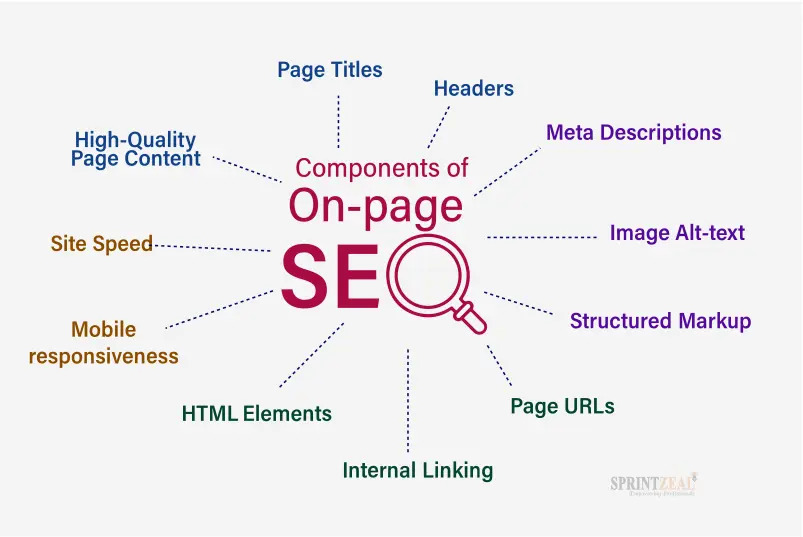
On-page SEO involves optimizing individual web pages to rank higher and attract more relevant traffic in search engines. This includes optimizing titles, meta descriptions, headings, and images. Ensure your content is well-structured and easy to read, with relevant keywords strategically placed throughout.
6. Leverage Social Media
While social media signals do not directly impact your website’s ranking, they can help drive traffic and increase visibility. Share your content on popular social media platforms like Facebook, Twitter, and LinkedIn to reach a wider audience and encourage engagement.
7. Monitor and Analyze Your Performance
Regularly monitor your website’s performance using tools like Google Analytics and Google Search Console. Track keyword rankings, traffic sources, and user behavior to identify areas for improvement and make informed decisions about your SEO strategy.
By implementing these seven steps, you can enhance your website’s visibility and increase its chances of ranking higher on Google. Remember, SEO is an ongoing process, so continue to refine your strategy and adapt to the latest trends and algorithm updates to stay ahead of the curve.